
Edited by
M. Ibrahim

Reviewd by
Abdul Qadir

Edited by
M. Ibrahim
Reviewd by
Abdul Qadir
There are several ways to make money from Pinterest: sell physical products, sell digital products, sell services, sell leads, promote affiliate products and drive traffic to a monetized blog. Typically, creators don’t earn money from Pinterest solely for posting Pins. Rather, users are rewarded for making sales, getting website traffic, booking trips, or other beneficial activities when their content appears on Pinterest.
Pinterest is different from other social media sites because it is a visual discovery and search engine. They can search for ideas, shopping comparisons, the planning of purchases and daily problems. This can be an opportunity for creators who can publish useful content and link their Pins to relevant products or services.
When you’re thinking about how to make money on Pinterest, you must grasp how it operates and what work you can do to earn a living to match your abilities. This guide will address 7 practical ways to earn, how to get started and common errors that will slow your progress.
One of the easier ways to make money on Pinterest is through affiliate marketing, particularly if you don’t have your own products. You endorse the products of another business and get a reward when someone buys with your special affiliate link.
A home organization creator, for instance, could advertise storage boxes, kitchen organizers, furniture or cleaning products. The creator receives a commission from the program if a reader clicks on their Pin and then buys an eligible product from the merchant using the affiliate’s link. To understand commission structures, affiliate networks and promotional strategies in more detail, read our ultimate affiliate marketing guide for bloggers.
Take steps to develop your affiliate strategy:
The key to Pinterest affiliate marketing is to offer real value in your tips. Don’t post too many promotional Pins, ones that don’t contain any information. If you have a product comparison or buying guide, it will give people more of a reason to click.
Digital products are another source of income as you make the product just once and sell it again. There is no need for actual inventory, packaging or shipping of these products.
Some of the most popular digital products are:
For instance, a person who makes productivity content can develop a weekly planner and offer it on an online retailer. For users who have an interest in the product, they can be led to the product page via Pinterest Pins with planner previews. Choosing the right product is an important part of building a profitable online business. Check out our guide on the best digital products to sell for more ideas.
Firstly, determine a problem that your target audience wants to solve. Develop a product to satisfy that need and then create Pins to illustrate its features and benefits. Apply various Pin designs to the same product. The first Pin can be a general overview of the main features, the second Pin can be a how-to pin and the third pin can be a ‘who benefits’ pin.
Match up each Pin with a corresponding sales page. Include product information, pictures, pricing and purchasing instructions on the landing page. Incomrise focuses on AI tools, online earning opportunities, side hustles and business growth, so this topic fits naturally within its content niche.
Blogging can go hand in hand with Pinterest, as this can lead readers to your site. After your visitors have entered your blog, make money by using display advertising, affiliate marketing, writing sponsored content or by selling your own products. The blogger can then make a profit from providing their blog with advertising banners that are approved and recommended to their blog by relevant advertisers.
First of all, choose a niche that has sufficient content opportunities. Frequently, people choose food, travel, parenting, home improvement, beauty and personal finance. Then, share informative, original articles that provide answers to questions. Make a number of Pins including special images and headlines, to display important articles, which should capture the essence of the articles.
Pinterest doesn’t have to be all about products. It’s also a great way for freelancers to display their work and find clients to work for. Pins can be created by writers, graphic designers, virtual assistants, photographers, social media managers and web developers to showcase their abilities.
For instance, a freelance content writer could create Pins regarding ideas for blog writing tips, content plans, SEO strategies, or website copywriting. Every Pin will open up to a portfolio or service page, where the potential client can check out samples and connect with the writer.
| Service | Pin Content Ideas |
|---|---|
| Content writing | Blog writing tips and writing samples |
| Graphic design | Portfolio previews and design ideas |
| Virtual assistance | Productivity tips and service packages |
| Social media management | Content calendars and marketing tips |
| Web design | Website layouts and design examples |
| Photography | Photography samples and creative inspiration |
Establish a business profile and have a specific description of your services. Your Pins should convey what you have to offer and why someone would want to hire you.
Pinterest is a great place to introduce products to those who are interested in your online business if you have one. Products that can draw attention include fashion accessories, handmade products, beauty products, home decor, stationery and custom gifts.
Make pins with realistic scenes of your products. A company that makes handmade candles can post photographs of candles on coffee tables, on a bedside table or on a decorative table.
Brands will work with creators that have an audience that would be interested in their product or industry. Pinterest can help in these partnerships by providing a space for the creator to share branded visual content.
Having millions of followers is not a requirement for getting a partnership. If your profile is filled with relevant content, you have a focused audience and you engage with them, your profile can be valuable to brands.
To begin, assemble a portfolio, which consists of your niche, audience details, monthly impressions, engagement metrics and best Pins. Reach out to brands with an offer of what you can produce for them.
Pinterest is another place where businesses can reach out to prospective customers who might need a repair or service. A Lead is someone who takes action by filling out a form, such as a contact, quote or newsletter sign-up.
Likewise, a fitness trainer can provide workout plans and refer visitors who are interested to a fitness coaching sign-up page. It’s a great strategy for companies that have a well-defined audience and services.
There are different ways of earning money that will call for different skills, resources and preparation. It will depend on your situation as to what you have and the best choice for you is going to differ based on that.
| Earning Method | What You Need | Beginner Suitability |
|---|---|---|
| Affiliate marketing | Affiliate account and useful Pins | High |
| Digital products | A product and online sales page | High |
| Blogging | Website and monetization strategy | Medium |
| Freelance services | Skills and portfolio | High |
| Physical products | Products and an online store | Medium |
| Brand partnerships | Quality content and audience data | Medium |
| Lead generation | Business and landing page | High |
Not all of the methods are required to begin with. Select one that is available to you now and develop your plan around it.
A professional profile offers tools and information to understand your audience and enhance your content strategy. A business profile also enables you to benefit from other features of the business (available and eligible depending on the product) including Pinterest Analytics.
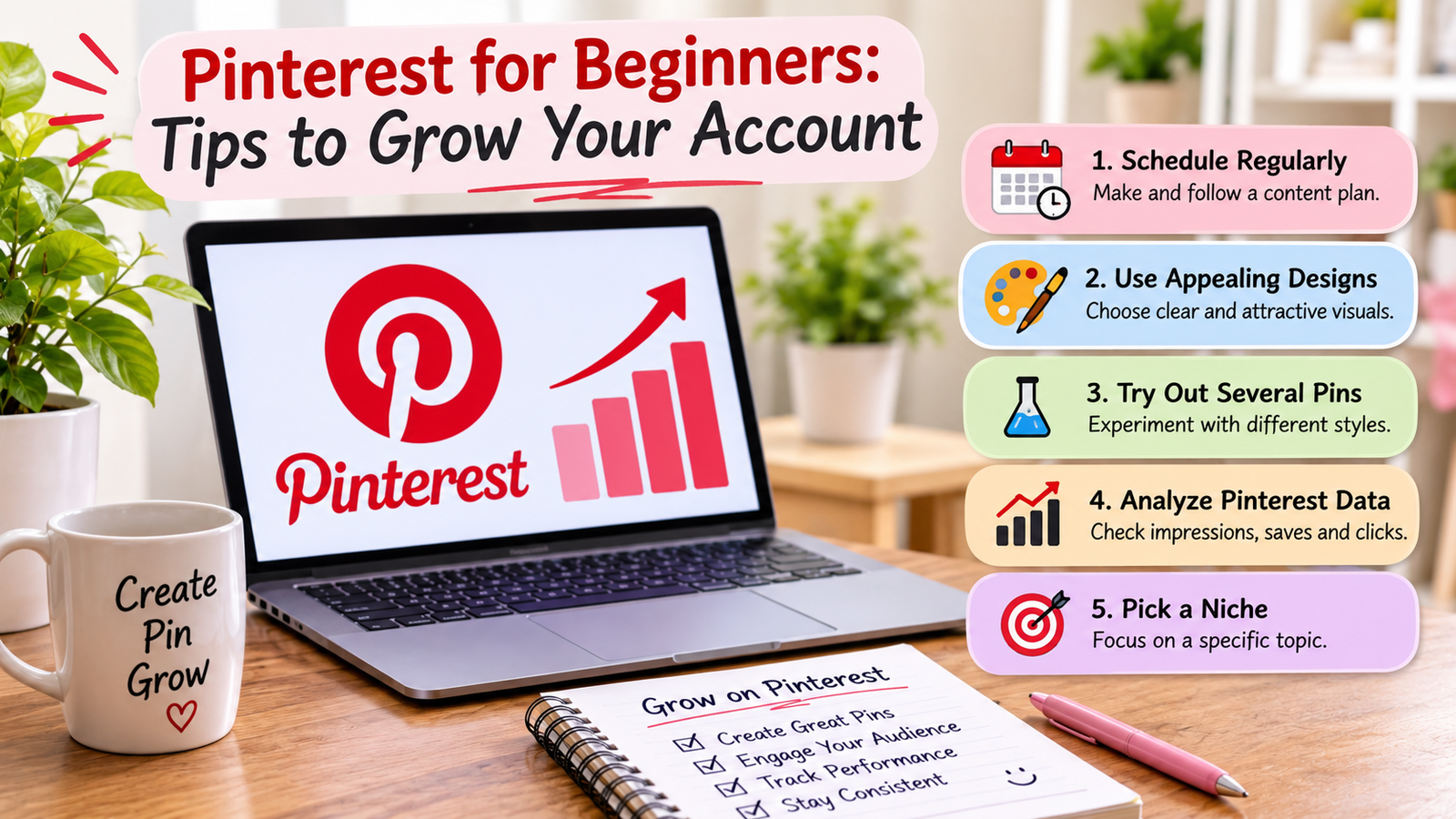
It takes time to build up a Pinterest presence. A regular approach will enable you to become familiar with what your audience favors and what content catches their eyes.
Below are some good practices:
There are a number of ways for creators, bloggers, freelancers and business owners to make money on Pinterest. There are a variety of ways to monetize content, including affiliate marketing, digital products, blogging, freelance work, selling physical products, sponsorships and lead generation.
The best approach requires having a focused niche, helpful Pins, keywords that are relevant and a suitable Pinterest monetization plan in place. It doesn’t have to be a big audience or a fancy set-up to get started. Think about how you can help your audience with a problem, measure your performance and continually refine your content.
Yes. There are many ways to make money without having a blog: affiliate marketing, digital product sales, sponsored content, freelance services and physical products. There must be an appropriate offer and an appropriate destination for interested users.
Pinterest does not have a single universal requirement for followers to gain any profit from the platform. Affiliate sales, product sales and client enquiries rely more on the traffic that is relevant and more on the interest that your visitors have and the quality of your offer.
Generally, Pinterest does not compensate its users just for creating Pins. Most creators monetize their content from outside of their platform, such as commissions on products, product sales, advertising views and business leads.
Yes. Initially, beginners can begin by creating a free account, choosing a niche and publishing valuable content. Two easy opportunities are affiliate marketing and digital products, but success varies based on the quality of the content and the demand for it.
No set time limit. Others make sales or receive inquiries sooner than others and new accounts will need to be published and tested regularly before they can yield meaningful results.